Hindu Swayamsevak Sangh - NederlandSanskar · Sewa · Sangathan
By HSS Nederland | 9/20/2025
Hinduism - known traditionally as Sanātana Dharma (“the eternal way of life”) is one of the world’s oldest living cultural and spiritual traditions. Its history is not tied to a single founder, prophet, or moment of origin. Instead, it is the result of thousands of years of evolving knowledge, wisdom, and lived experiences across the Indian subcontinent.
For Hindu Swayamsevak Sangh (HSS) Nederland, understanding this rich heritage is essential. It helps children, youth, and families appreciate the values, traditions, and cultural continuity that have shaped Hindu society for millennia.
1. Ancient Roots: The World’s Oldest Continuing Civilization
Archaeological studies show that Hindu civilization is one of the oldest continuous cultures on Earth, with roots dating back over 5,000 years.
Key early centers of culture include:
Indus–Saraswati Civilization (c. 3000–1500 BCE)
Early settlements such as Harappa, Mohenjo-Daro, Lothal, and Dholavira
Sophisticated urban planning, trade networks, and social life
These communities practiced rituals, symbols, and cultural elements that continue in Hindu society even today such as:
Yoga-like postures found in seals
Fire altars
Sacred symbols including the swastika
Worship of nature and divine forces
This shows that Hinduism evolved organically from the cultural life of ancient Indian people.
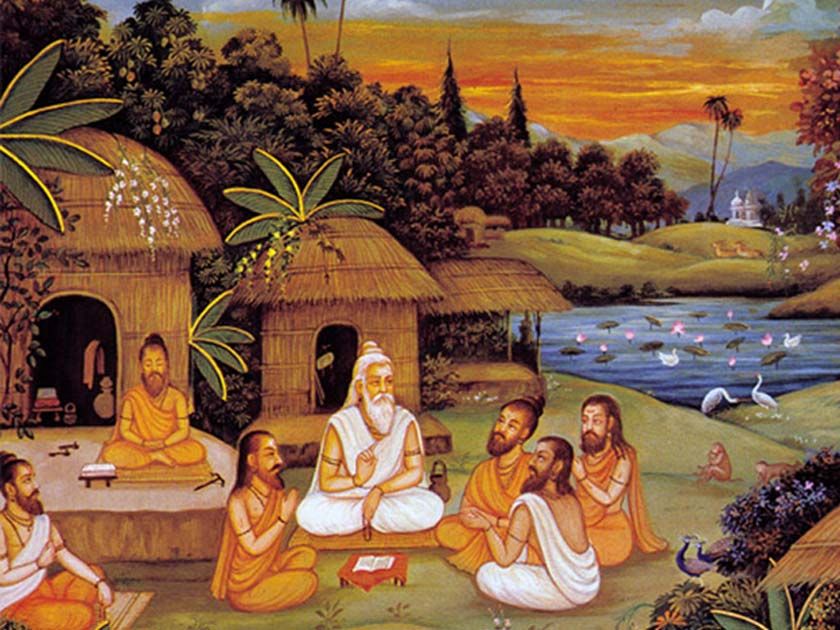
2. The Vedic Period: Foundations of Knowledge and Culture
Around 1500–500 BCE, the Vedic period marks the composition of the world’s oldest surviving texts:
Rigveda
Yajurveda
Samaveda
Atharvaveda
The Vedas are not “religious books” in the modern sense. They are collections of:
Hymns
Philosophical dialogues
Scientific observations
Rituals
Sociocultural guidelines
From them emerged fundamental Hindu concepts such as:
Dharma – righteous living
Karma – consequences of actions
Moksha – spiritual liberation
Yoga – discipline of body, mind, and spirit
Yajna – selfless offering for the welfare of all
These values remain core to HSS activities today: character-building, service, and harmony.
3. Epics and Literature: The Moral Compass of Civilization
Between 500 BCE and 500 CE, some of the greatest contributions to world literature were composed:
The Ramayana
A narrative of ideal leadership, family values, and dharma through the life of Shri Rama.
The Mahabharata
The world’s longest epic, teaching the complexities of life and ethics.
Its central text, the Bhagavad Gita, offers timeless guidance on duty, courage, and inner strength.
The Upanishads
Philosophical texts exploring the nature of reality, consciousness, and the universe.
These works shaped not only Hindu thought but also global ideas about spirituality, ethics, leadership, and human purpose.
4. Hinduism’s Contribution to World Civilization
Hindu civilization has influenced the world for thousands of years in areas such as:
🟠 Mathematics
Zero
Decimal system
Algebra and geometry innovations
🟠 Science & Astronomy
Early concepts of atoms
Planetary motion
Ayurveda (holistic medicine)
🟠 Yoga & Meditation
Now practiced globally for health and peace.
🟠 Architecture & Arts
Temples, classical music, dance, sculpture, and storytelling traditions.
These contributions highlight a culture driven by inquiry, creativity, and the pursuit of truth.
5. A Living Tradition: Hinduism in the Modern World
Hinduism is not just history—it is a living, evolving culture practiced by over a billion people worldwide.
Core values include:
Ahimsa — non‑violence
Sewa — selfless service
Satya — truthfulness
Shraddha — devotion
Vasudhaiva Kutumbakam — “The world is one family”
These ideals inspire Hindu communities across the globe, including in the Netherlands.
6. HSS Nederland: Connecting Heritage with Modern Life
HSS Nederland helps families and children connect with the essence of Hinduism through:
Balgokulam (value‑based learning through games, stories, and activities)
Yoga, Surya Namaskar & discipline
Festivals celebrating unity and culture
Sewa (service) activities for the community
Shakha gatherings that promote harmony, leadership, and sanskar
Through these initiatives, HSS ensures that the heritage of Sanatana Dharma continues to inspire new generations in a modern, multicultural society.
Conclusion
The history of Hinduism is not just a record of the past; it is the story of a civilization that continues to enrich humanity with its values, wisdom, and universal message.
From ancient Vedic knowledge to global yoga movements, from timeless epics to community service in today’s world—Hinduism remains a guiding force of peace, compassion, and character-building.
This is the legacy HSS Nederland proudly carries forward into the future.
Share Post: